The Ripple Effect: How Supporting One Parent Changes an Entire Family Tree

When a parent walks through the doors of Cherish Families for the first time, they often feel scared and unsure. They're worried about their kids. They're worried about where they'll live. They're worried about what comes next.
But they also carry something else: hope. Hope that things can get better. Hope that their children can have different lives than they've had.
What happens next might not seem big at first. But over time, something amazing happens. Kids stay in school. Teens graduate from high school. Parents find stable jobs and safe places to live. And years later, grandchildren grow up in a totally different world.
This is what we call the ripple effect. When you help one person, the good spreads out like circles in water. It touches their kids. It touches their grandkids. It touches people who aren't even born yet.
Why Helping Parents Helps Everyone
At Cherish Families, we help families and individuals primarily from polygamous backgrounds. We offer free counseling, help with housing, peer support, and basic needs like food and clothes.
People often ask us: does this really make a difference that lasts?
Yes. It really does.
When we help a parent, we're not just helping one person. We're changing the path for their whole family. Kids grow up with more choices. Grandkids will have opportunities their grandparents never had.
What Happens Without Help
When families are in crisis and can't get help, problems get bigger and bigger.
A parent who can't find stable housing has to move a lot. That means kids have to change schools over and over. When kids change schools all the time, they fall behind. When they fall behind, many drop out. When they drop out, it's hard to find good jobs. When they can't find good jobs, money is tight. And the same problems happen again in the next generation.
The same thing happens with feelings and stress. When parents deal with hard things and don't get help, they might feel very anxious or sad. This makes it harder to help their kids feel safe and loved. Kids who don't feel safe have trouble in school and with friends. When they grow up and have kids, the same patterns continue.
Money problems, school struggles, mental health challenges, and relationship troubles are all connected. They get passed down in families like old furniture nobody wants.
This is why helping parents matters so much. When you support a parent in crisis, you stop these cycles. You give them tools to build something better.
How We Help Families
The families we work with usually face many problems at once. They might not have stable housing while caring for several kids. They feel overwhelmed. They don't know where to get help.
Our advocates start by helping them make a safety plan. We connect them with housing help right away. But we don't stop there.
Parents and children can receive free therapy from licensed clinicians. In therapy, they talk about hard things that happened and learn ways to feel better. We help with basic needs like food and clothes for kids. Most important, parents find other people who understand. They meet otherswho have faced similar challenges. They learn they're not alone. They find out they're stronger than they thought, and that hope is possible.
We help with many things at once because families in crisis don't have just one problem. They have several problems all happening at the same time. These problems need to be solved together.
What Changes for Parents
The biggest changes we see first are with the parent who asks for help.
In therapy, parents learn how to handle stress and worry. They learn that getting help is smart, not weak. They learn ways to stay calm when things get hard with their kids.
When we help with housing, families have a safe place to sleep every night. When kids have a stable home, they can stay at the same school. When they stay at the same school, they make friends. They get to know their teachers. They can actually learn instead of always being the new kid.
Peer support gives parents something many haven't had in a long time: people who really get it. Many of our peer support specialists have been through hard times too. That shared understanding makes it safe for parents to be honest. They can ask questions without feeling bad. They can accept help without being judged.
Over time, things get better. Parents find jobs. Kids go to school regularly. Families create routines. The crisis that felt too big to handle starts to feel manageable.
But something else changes too. Something deeper. Parents start to see themselves in a new way. They see that they can make things better. They see that they can speak up for their families. They see that they're part of a community.
How Kids Benefit
The way we help parents creates new opportunities for their children.
When a parent gets help and life becomes more stable, everything opens up for their kids. Teenagers don't have to work so many hours to help pay bills. They can focus on school. They watch their parents get help and learn new things. They see that asking for help leads to good things. They learn that opportunities are real if you know where to look.
We've watched teens who were planning to drop out stay in school and graduate. We've helped connect young people with information about college and job training. We've celebrated with families when kids reach goals nobody thought were possible.
Younger kids benefit in different ways. They grow up hearing their parents talk openly about feelings and mental health. They learn that it's normal to have hard feelings and that getting support is healthy. They watch their parents make friends and build community. This teaches them that relationships matter.
They get to experience stability when they're young. They have the same teachers year after year. Teachers who know them and can help when they struggle. They make friendships that last. They join sports or clubs. They get to explore what they're interested in. They get to just be kids.
Research shows that when parents get mental health support, their kids do better in almost every way. They do better in school. They have better friendships. They're healthier. They're more likely to graduate high school. They're less likely to have mental health problems themselves. They're more likely to break cycles of poverty.
What It Means for Grandchildren
Maybe the most powerful part of the ripple effect is what it means for people not even born yet.
When today's teenagers grow up and have children, those children will start life with advantages their parents didn't have. They'll have a mom or dad who graduated high school. They'll have a parent who knows how to help them in school. They'll have a parent who knows that mental health support exists and isn't afraid to use it.
They'll grow up in a home where therapy is normal. Where asking for help is okay. Where community connections are valued. They'll see a family that faces challenges but doesn't face them alone. They'll learn that people can be resilient and strong.
Even more important, they'll grow up with a different story about what's possible. Their family story won't just be about struggle. It will include stories of growth and success and change. That matters more than we might think. Kids who grow up believing their family can change are more likely to believe they can create positive change in their own lives.
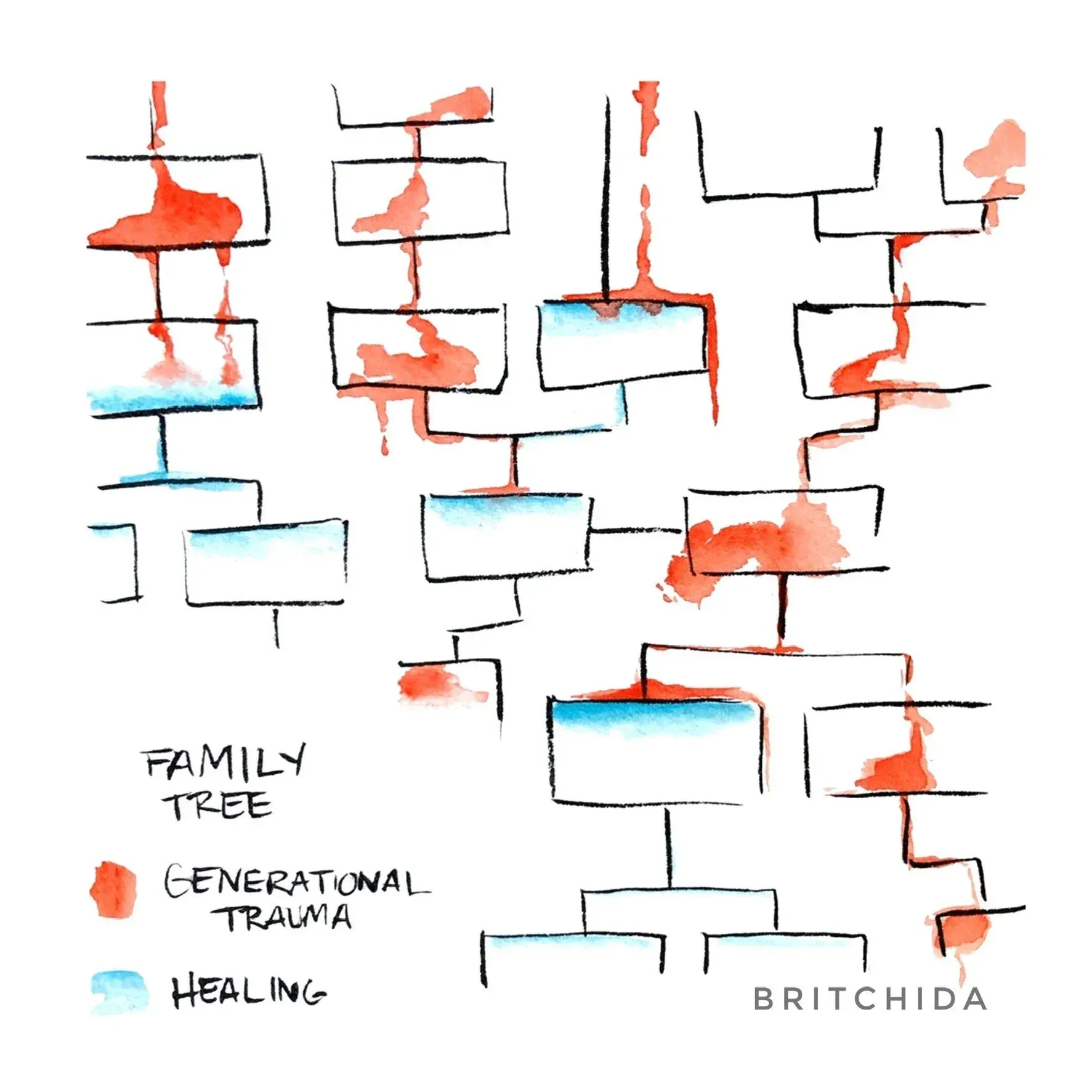
Artwork curtousy of @britchida
https://www.instagram.com/p/CG0CP5NJU9k/?img_index=2
How It Helps the Whole Community
The good spreads even further than individual families. It changes whole communities.
Parents who get help often turn around and help others. They volunteer. They share their stories at community events. They become advocates not just for their own families but for all families who need support.
Their kids talk with friends about the help their family got. This makes it less scary for others to ask for help. When one family shares their story, other families realize it's okay to need support too.
When one family heals and becomes stable, they show other families that it's possible. They prove that support works. They make it safer for others to ask for help. They become part of the solution for everyone.
Why Helping Parents Is So Important
There's a reason Cherish Families puts so much energy into parent support. We offer free therapy, peer mentoring, and crisis services because parents are the key.
When you invest in a parent's mental health, you're investing in their children's emotional health. When you help a parent find stable housing, you're helping their kids stay in school. When you help a parent get a job, you're showing their kids that they can have careers too.
Supporting parents in crisis isn't just kind. It's smart. It's one of the best ways to create lasting change in a community because the impact naturally spreads through families.
This is especially true for families and individuals primarily from polygamous backgrounds. They often face unique challenges when looking for support. Understanding their background matters. Providing help without judgment matters. When families get support that respects where they come from and meets them where they are, they're more likely to ask for help, more likely to benefit, and more likely to create the kind of lasting change that reaches across generations.
What Real Change Looks Like
Big change doesn't always look dramatic. Often, it looks like everyday moments that would have been impossible a few years before.
It looks like a child talking about therapy the same way they talk about soccer practice. No shame. Just normal. It looks like a teenager applying to college because they watched their parent go back to school. It looks like a young adult calling a crisis hotline when things get hard because they learned that asking for help is brave, not weak.
It looks like families gathering for graduations, first days at new jobs, and moving into apartments. Celebrating moments that represent new beginnings instead of repeating old patterns.
It looks like a grandmother holding her grandchild and knowing this child will have opportunities she never imagined.
The Math of Change
Think about this: one family represents one parent and their children. But Cherish Families serves hundreds of families each year.
Think about all the children who stay in school because their parents got housing help. Think about all the teenagers who graduate because their parents got mental health support. Think about all the future generations who will start life with advantages their grandparents didn't have.
That's thousands of lives changed. That's whole communities transformed. That's the ripple effect in action.
How Everyone Can Help Create Ripples
The beautiful thing about the ripple effect is that everyone can be part of creating it. Whether you work with families, you're a community member who wants to help, or you've been through these challenges yourself, you have power to create positive ripples.
Sometimes that looks like volunteering your time. Sometimes it looks like sharing resources with families who need them. Sometimes it simply looks like treating people with respect and believing they can change.
For families and individuals primarily from polygamous backgrounds who need support, it looks like knowing that help exists. That reaching out won't mean judgment. Only understanding and real help.
For community members, it looks like recognizing that when we support one family, we're investing in generations we may never meet but whose lives we're helping to transform.
Looking Forward
The families we work with are still writing their stories. Grandchildren haven't been born yet. The full ripple effect of the help we give today won't be known for decades.
But we already know this: it matters. Supporting one parent in crisis creates stability for their children. It creates educational opportunities for teenagers. It creates a completely different path for all the generations that come after.
That's the power of wraparound support. That's the impact of meeting families where they are and giving them real, judgment-free help. That's why the work of organizations like Cherish Families matters so much.
Every parent who gets help today is a ripple that will spread across time. It touches lives and creates possibilities that wouldn't exist otherwise. Every family that finds stability creates a new story. A story of hope. A story of change. A story that will echo through generations.